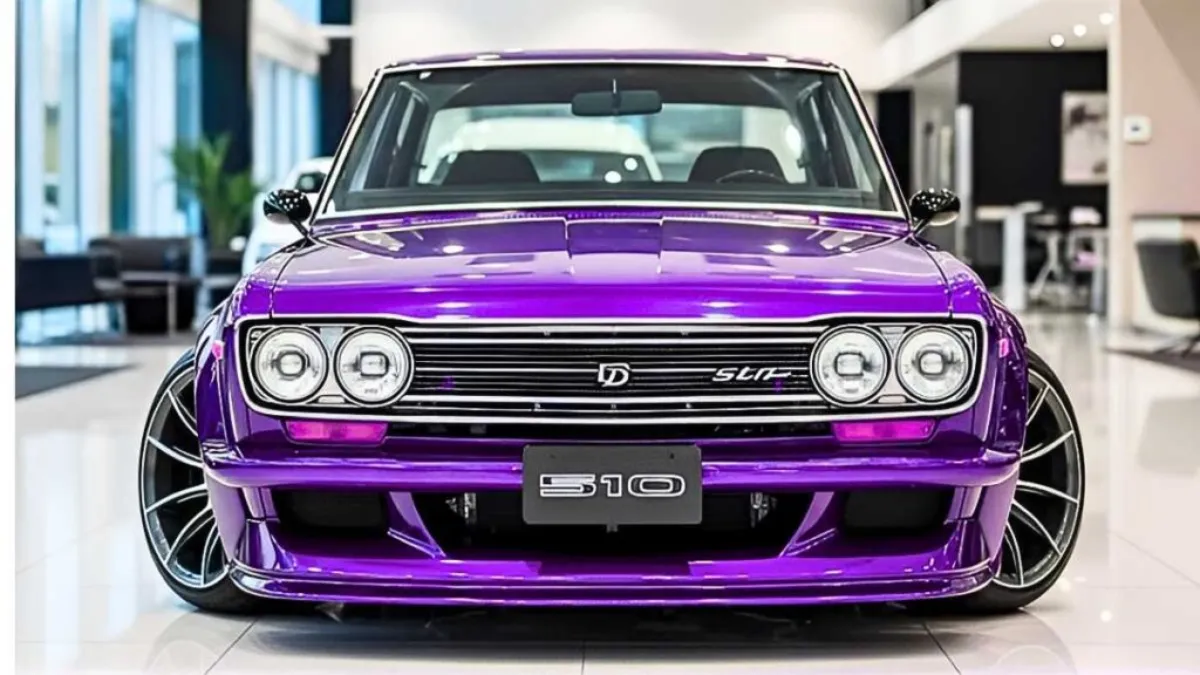
The 1970 Datsun 510 is widely regarded as the car that changed how Americans viewed Japanese automobiles. Arriving at a time when compact imports were often dismissed as underpowered or uninspired, the 510 shattered expectations with sharp engineering, impressive performance, and remarkable affordability. This review explores how the 510 became a breakthrough model that redefined global performance standards and earned its place as a timeless classic.
A Clean, Modern Design With Purpose
The 1970 Datsun 510 delivered a simple, squared-off design that emphasized practicality without sacrificing personality. Its clean body lines, wide stance, and balanced proportions gave it a confident presence on the road. Though not flashy, the styling reflected Japanese engineering logic, focusing on visibility, aerodynamics, and structural efficiency. The understated design helped the 510 age gracefully, making it one of the most recognizable compact classics of its era.

Engineering That Delivered Big Results
The heart of the Datsun 510’s reputation lies in its mechanical brilliance. The 1.6L L-series engine offered spirited performance thanks to overhead-cam technology, a feature rarely found in affordable cars at the time. Paired with rear-wheel drive and an independent rear suspension, the 510 delivered handling dynamics that rivaled far more expensive European sedans. Its responsive steering and balanced chassis made it a favorite among enthusiasts and racers. For many drivers, the 510 became their first experience with a small, lightweight car that felt genuinely sporty.
| Key Highlights of the 1970 Datsun 510 | Details |
|---|---|
| Engine | 1.6L SOHC inline-four (L16) |
| Power Output | Around 96 horsepower |
| Transmission | 4-speed manual or optional 3-speed automatic |
| Layout | Rear-wheel drive with independent rear suspension |
| Notable Strengths | Precision handling, affordability, racing success |
Interior Simplicity With Driver-Focused Appeal
Inside, the 510 offered a functional cabin designed with clarity and durability in mind. Large gauges, an intuitive control layout, and supportive seating created a driver-friendly environment. While interior materials were modest, the overall impression was one of thoughtful design rather than cost-cutting. The car provided enough comfort for daily commuting while maintaining the lightweight feel that made its performance possible.

Racing Success That Elevated Its Legend
One of the defining chapters in the 510’s history is its extraordinary success in motorsport. It stunned American competitors in SCCA racing, where it repeatedly defeated larger and more powerful vehicles through superior handling and reliability. The 510 became synonymous with winning, and its racing triumphs played a critical role in elevating the reputation of Japanese engineering across the United States. Its performance legacy helped shape the future of brands like Nissan, proving that affordable cars could deliver world-class results.
A Lasting Impact on Performance Culture
The 1970 Datsun 510 did more than succeed on the road and track—it reshaped automotive expectations. It introduced American drivers to a new category of performance car: small, light, and engineered for precision rather than brute force. The 510 influenced later generations of compact performance sedans and helped establish Japan as a serious player in global automotive innovation. Its blend of affordability and capability inspired decades of enthusiasts and continues to fuel a strong collector market today.

Conclusion:
The 1970 Datsun 510 stands as a landmark achievement in automotive history. It combined advanced engineering, balanced performance, and surprising affordability at a time when few expected such qualities from a compact import. Its racing victories, practical design, and enthusiast appeal allowed it to transform public perception and redefine what a performance car could be. Today, the 510 remains a celebrated classic that represents the beginning of a new era in global automotive excellence.
Disclaimer:
This article is based on widely documented historical information about the 1970 Datsun 510 and is intended for general educational and enthusiast purposes. Individual vehicles may vary significantly from original factory specifications due to modifications, age, restoration efforts, and wear. Anyone considering purchasing or evaluating a classic 510 should seek professional inspections and verify documentation to ensure authenticity and mechanical condition. Historical performance figures may not reflect the state of surviving vehicles, and this content should not replace expert automotive guidance.