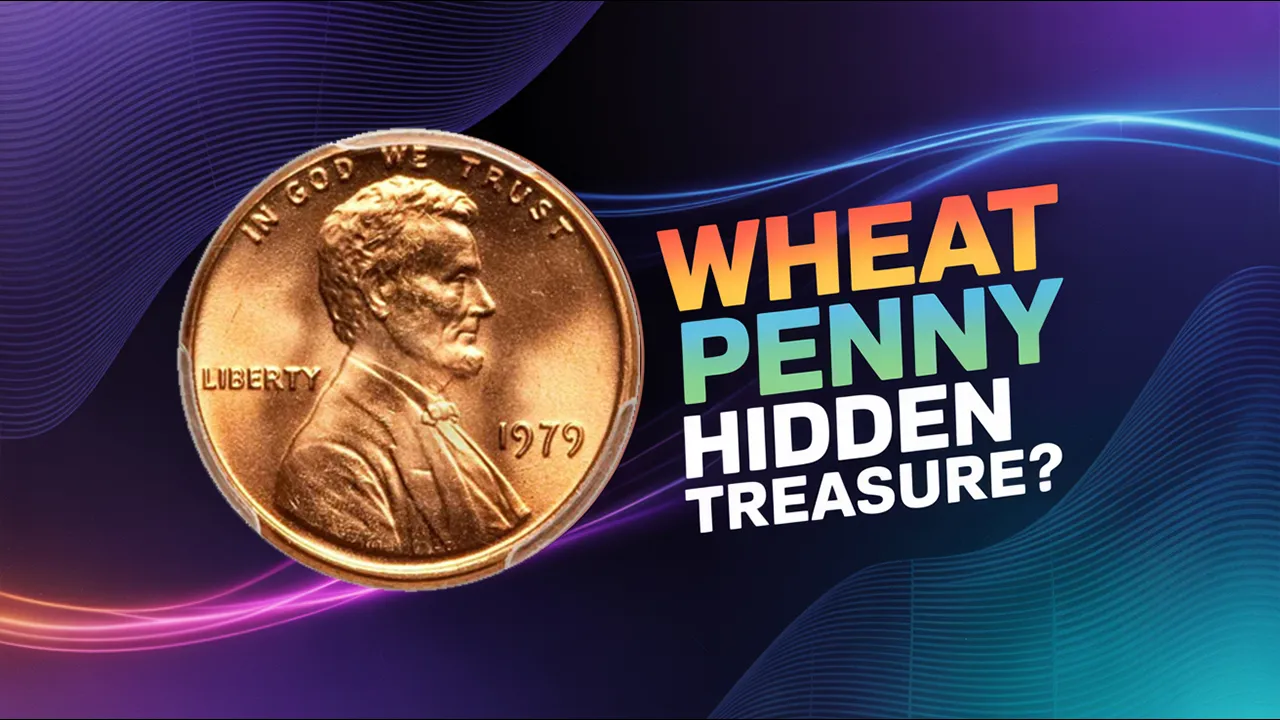
Even decades after their release, the 1976 Bicentennial Quarter and the classic Wheat Penny continue to appear in pocket change, coin jars, and forgotten drawers. Both coins hold nostalgic appeal and are favorites among new and seasoned collectors. But when it comes to hidden value in today’s market, which vintage coin offers the bigger surprise?
Why the 1976 Bicentennial Quarter Still Attracts Attention
Minted to celebrate America’s 200th anniversary, the Bicentennial Quarter features the iconic drummer boy design. While billions were produced, collectors still keep an eye out for high-grade uncirculated examples, silver editions, and rare mint errors. Although most circulated versions hold only face value, exceptional varieties can be worth significantly more.

Why Wheat Pennies Continue to Be a Collector Favorite
Wheat Pennies, produced from 1909 to 1958, are among the most beloved U.S. coins. Their classic wheat-ear reverse and historical significance make them appealing, but certain dates, mint marks, and error varieties can skyrocket in value. Even common wheat cents carry a small premium today due to their increasing scarcity in circulation.
Key Traits Collectors Look For in Both Coins
- Mint errors, high-grade surfaces, silver composition for Bicentennial Quarters, low-mintage years for Wheat Pennies, doubled dies, clear mint marks, strong strike details.
Which Coin Holds More Hidden Value Today?
While Bicentennial Quarters occasionally surprise collectors—especially silver or error strikes—the Wheat Penny generally holds greater hidden value potential. Even common wheat cents can fetch more than face value, and rare dates like 1909-S VDB or error varieties can be worth hundreds or thousands. Bicentennial Quarters, by contrast, rarely exceed moderate premiums unless they are uncirculated, silver, or error coins.

Value Comparison Table: Bicentennial Quarter vs Wheat Penny
| Coin Type | Typical Circulated Value | Special Variety Value | Surprise Potential |
|---|---|---|---|
| 1976 Bicentennial Quarter | Face value to a few dollars | $150–$750+ for silver or errors | Moderate |
| Wheat Penny (1909–1958) | 3 cents to several dollars | $50 to thousands for key dates & errors | High |
Why These Coins Still Show Up in 2025
Old coin jars, family collections, change machines, and estate cleanouts regularly release vintage coins back into circulation. Wheat Pennies, though older, still turn up because people saved them for decades. Bicentennial Quarters reappear due to their massive original mintage and continued use across generations.
The Nostalgic Appeal of Vintage Coin Finds
Both coins represent different chapters of American history. The Bicentennial Quarter symbolizes national celebration, while the Wheat Penny captures early 20th-century design and heritage. Their continued appearance in everyday change brings a sense of discovery that keeps coin collecting exciting.

Conclusion
Both the Bicentennial Quarter and the Wheat Penny offer collectors surprising value potential, but the Wheat Penny stands out as the coin with more hidden worth due to rare dates, errors, and broader collector demand. The Bicentennial Quarter still provides exciting finds—especially in silver or mint-error forms—yet the Wheat Penny remains the classic treasure hunter’s favorite.
Disclaimer
Values depend on accurate grading, rarity, and current collector market conditions.