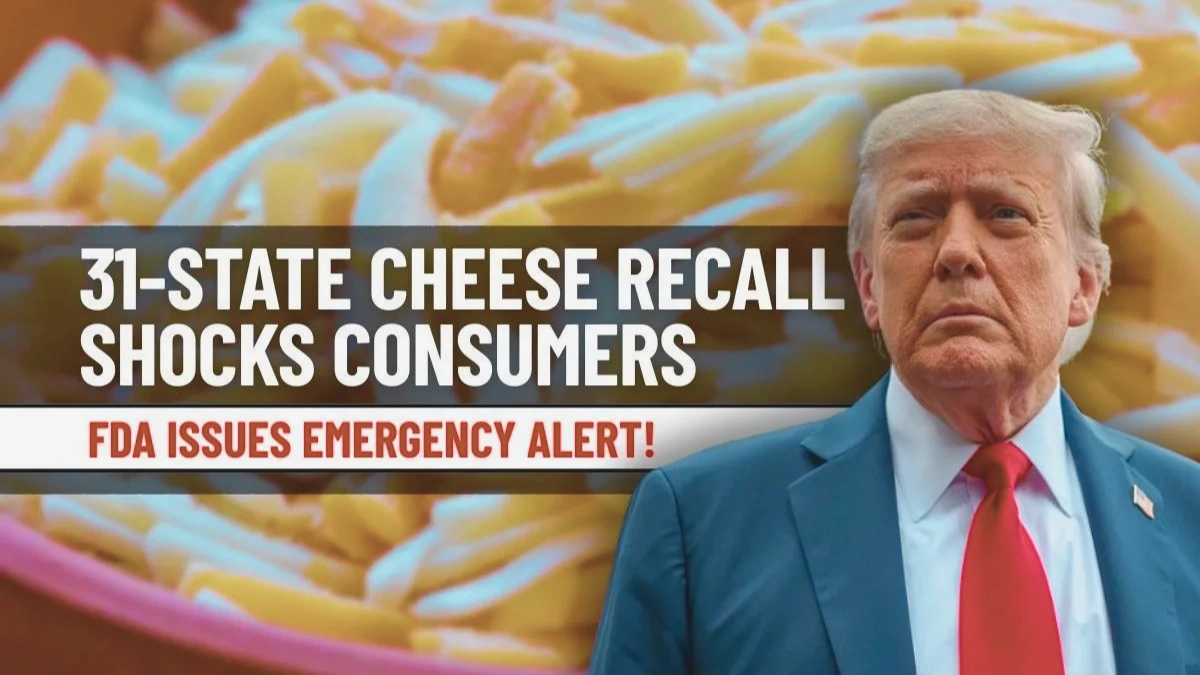
A new nationwide alert has been issued after the FDA announced a shredded cheese recall affecting consumers in 31 states. The recall was triggered when metal fragments were discovered in certain cheese packages, raising serious safety concerns for millions of households. Here is the complete Google Discover–friendly breakdown of what happened, which products are affected, and what consumers should do next.
Why the FDA Ordered the Shredded Cheese Recall
The recall began after multiple reports indicated the possible presence of small metal fragments inside shredded cheese bags distributed to grocery stores across the country. Although no severe injuries have been confirmed yet, the FDA classified the recall as a Class I safety risk, meaning the contaminated product could cause injury if consumed.
Metal contamination usually occurs during the production process when machinery malfunctions or fragments break off during shredding or packaging. The FDA says the recall is precautionary but urgent.
Which Products Are Affected in the 31-State Recall
The recall involves select shredded cheese products distributed nationwide to major grocery chains. While the full list varies by brand, the most commonly affected items include:

- Mixed cheese blends
- Mild and sharp cheddar varieties
- Low-moisture mozzarella products
- Mexican-style shredded blends
Consumers are urged to check lot numbers, expiration dates, and packaging details provided in official recall notices. Retailers in all 31 affected states have been instructed to immediately remove the products from shelves to prevent further sales.
Why Metal Contamination Is Dangerous
Metal fragments, even very small ones, pose significant risks if swallowed. Sharp or rigid fragments can cause mouth injuries, choking hazards, internal cuts, or digestive tract damage.
The FDA stresses that consuming recalled cheese should be avoided entirely, even if the product appears visually normal.
How to Know if Your Cheese Is Part of the Recall
Consumers should inspect their shredded cheese packages and compare them with the affected lot numbers listed in the recall notice. Many retailers have begun issuing point-of-sale warnings, and some shoppers may receive direct notifications if they used store loyalty cards during purchase.

Here is a simplified reference point:
| Item Type | Risk Level | Action Required |
|---|---|---|
| Shredded cheese in impacted lots | High | Do not eat; return or discard |
| Shredded cheese outside recall | Safe | No action needed |
| Previously consumed recalled cheese | Monitor symptoms | Seek care if pain occurs |
If you find a recalled product in your home, keep the packaging so you can request a refund from the store where it was purchased.
What Shoppers Should Do Right Now
This is the only bullet-point section in the article:

- Stop using the recalled shredded cheese immediately
- Check the product’s UPC, lot code, and best-by date
- Discard the cheese or return it to the store for a refund
- Monitor for symptoms if any recalled cheese was consumed
- Contact the FDA or retailer for additional guidance if needed
These steps help ensure consumer safety while reducing chances of injury.
Which States Are Affected in the Recall
The FDA confirmed that the recalled cheese was shipped to 31 U.S. states, including regions in the Midwest, Northeast, South, and West. Large supermarket chains and warehouse stores were among the distributors receiving the impacted lots.
A complete state-by-state list is available within the official recall documentation provided by the FDA.
Are More Recalls Expected?
Food safety investigators are still examining equipment and supply chain processes linked to the contamination. If more affected batches are discovered, the recall may expand. The FDA advises consumers to remain alert for updates throughout the week.

Conclusion
The FDA’s shredded cheese recall across 31 states highlights the importance of fast action in protecting public health. Although no major injuries have been reported, the risk posed by metal fragments makes it critical for consumers to check their cheese products immediately. Staying alert and following recall instructions ensures families stay safe while this investigation continues.
Disclaimer
This article provides general safety information only and should not be considered medical, legal, or professional advice.