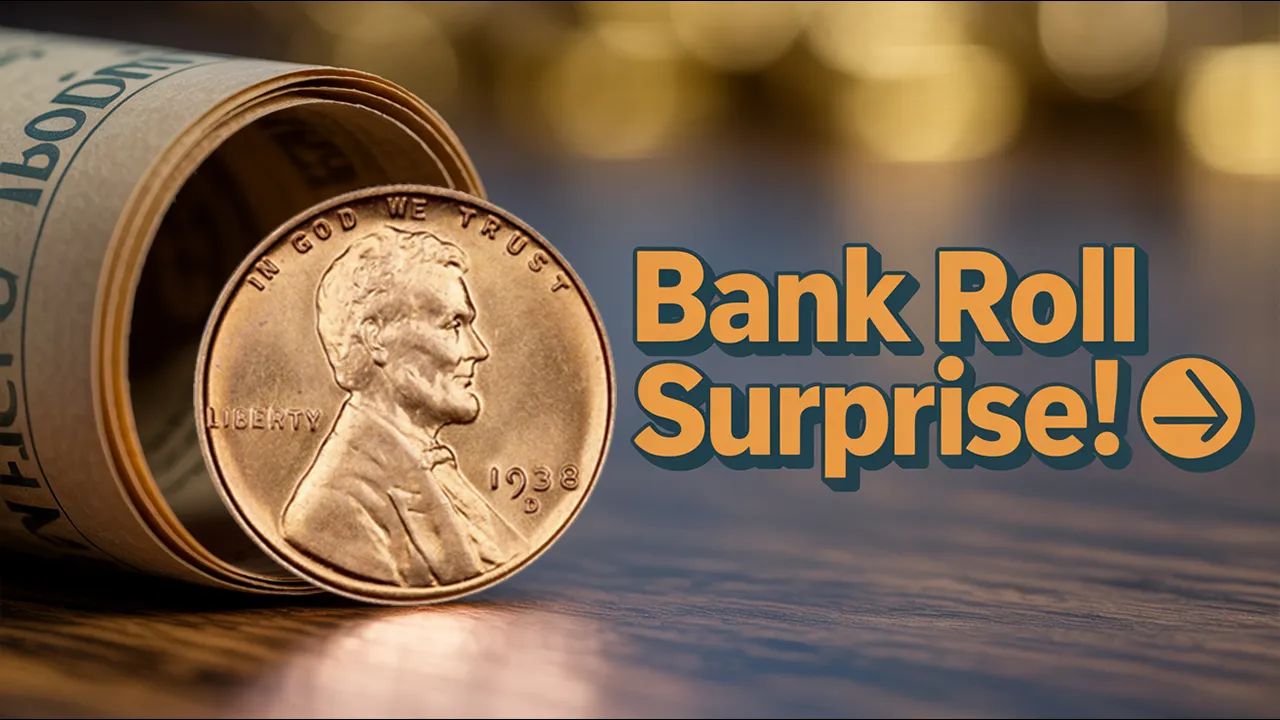
What started as an ordinary search through a bank roll of pennies turned into an unforgettable moment when a collector uncovered a Lincoln Cent displaying a rare double die error. At first, the coin seemed like just another older cent mixed into a fresh roll, but a closer look revealed dramatic doubling on key details. The discovery quickly sparked excitement in online coin communities, as true double die errors are among the most prized finds in U.S. coinage.
Why Lincoln Cents Are Popular Among Error Hunters
Lincoln Cents have been in production since 1909, and millions of collectors search them for hidden varieties and minting anomalies. The design’s fine lettering and portrait details make it especially susceptible to noticeable doubling during production. Rare double die errors—such as the famous 1955 and 1969-S varieties—can be worth significant amounts, which is why every roll search carries the possibility of a life-changing find.

What Made This Bank Roll Cent So Extraordinary
The newly discovered cent displayed clear signs of a double die error, including strong doubling on the date, lettering, and parts of Lincoln’s profile. What stunned experts was the cent’s sharp detail and minimal wear, suggesting it may have been preserved unintentionally before being mixed back into circulation.
Key Double Die Features Collectors Identified
- Prominent doubling on the date, clear doubling on LIBERTY and IN GOD WE TRUST, doubled profile lines on Lincoln’s face, sharp edges, minimal circulation wear.
How Valuable Can a Double Die Lincoln Cent Be?
Double die errors are among the most desirable varieties because they are caused by misalignment during die creation, not post-mint damage. Depending on the year and severity of doubling, values can range dramatically from modest premiums to thousands of dollars. Strong doubling on early or popular dates commands especially high interest among collectors.

Value Comparison Table for Double Die Lincoln Cents
| Type of Double Die Cent | Condition | Estimated Market Value |
|---|---|---|
| Minor Double Die | Circulated | $10 to $50 |
| Moderate Double Die | Circulated | $50 to $300 |
| Major Double Die Variety | Uncirculated | $500 to several thousand dollars |
How a Rare Error Coin Ended Up in a Bank Roll
Bank rolls often contain coins returned from coin machines, estates, old jars, and long-forgotten collections. It is likely this rare Lincoln Cent sat untouched for decades before being unknowingly deposited at a bank. Once the roll was sealed, the coin became a hidden treasure waiting for someone with a sharp eye to discover it.
Why Collectors Reacted Strongly to the Find
Double die errors are rare, thrilling, and highly collectible. The idea that such a variety can still emerge from a simple bank roll fuels the excitement of roll hunters across the country. The story ignited lively discussions online, inspiring many to re-check their own stashes and examine pocket change more carefully.

The Timeless Appeal of Lincoln Cent Discoveries
The Lincoln Cent is a cornerstone of American collecting, and its long history ensures that new discoveries continue to surprise even seasoned numismatists. Each rare variety found keeps the tradition alive and reminds collectors why the humble penny remains one of the most fascinating U.S. coins.
Conclusion
The discovery of a Lincoln Cent with a rare double die error inside a routine bank roll demonstrates that extraordinary treasures can still appear in everyday places. This unexpected find captures the thrill of numismatic exploration and highlights the enduring value of carefully examining even the smallest coins.
Disclaimer
Final value depends on certified grading and confirmation of the specific double die variety.
SEO Tags:ˀ